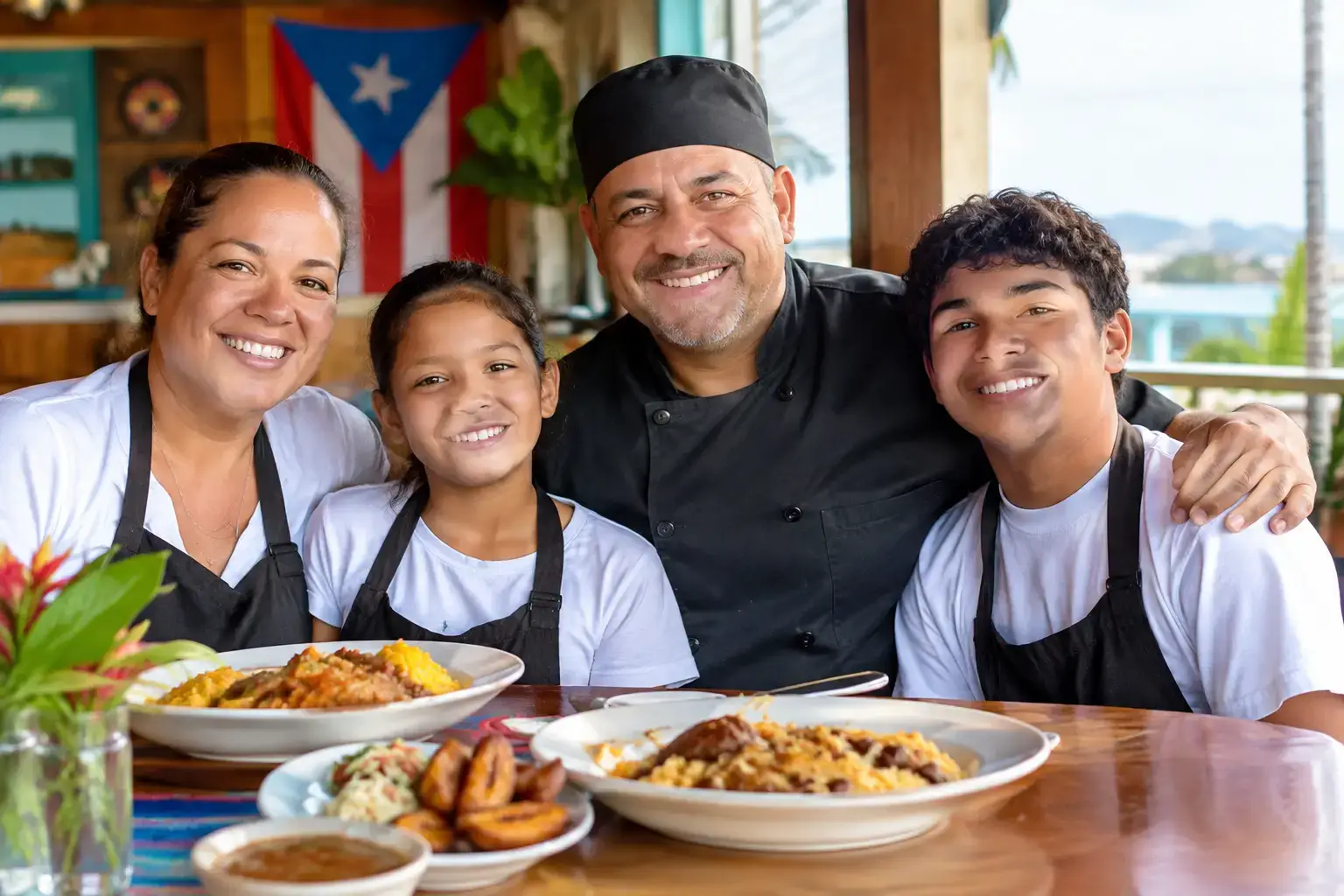
The meal you remember most in Puerto Rico may not come from the restaurant with the biggest sign or the trendiest cocktail menu. It might be a plate of arroz con gandules served by someone whose family has cooked it for decades. Family owned restaurants Puerto Rico travelers find along back roads, in lively town squares, and beside the coast offer something chain dining cannot: a direct connection to the people, recipes, and pride behind the island’s food.
For visitors who want to discover the real Puerto Rico, eating local is not just a stop between the beach and the next adventure. It is part of the adventure. The right family table can turn lunch into a story, introduce you to a dish you have never tried, and give you the kind of welcome that makes an island feel less like a destination and more like a home shared with you.
Why Family Owned Restaurants in Puerto Rico Feel Different
Puerto Rican food carries history in every layer. Spanish, African, Taíno, and Caribbean influences meet in dishes that are bold, comforting, and made to bring people together. At a family-owned spot, those recipes often come from a grandmother’s kitchen, a parent’s hard work, or a family decision to keep a neighborhood tradition alive.
That is why the experience can feel personal. The person taking your order may also be the owner, the cook may be preparing sofrito the same way their family always has, and the regular at the next table may gladly tell you what to order. There is a rhythm to these places that does not need to be polished for tourists. It is already real.
Family ownership does not automatically mean every meal will be fast or fancy. In fact, the trade-off is often part of the charm. Popular local spots can have limited seating, handwritten menus, changing hours, or a wait when the kitchen is busy. Go with time, patience, and an appetite. You are not looking for an assembly-line meal. You are looking for food made with care.
What to Order at Local Puerto Rican Tables
The best approach is simple: order with curiosity. Ask what is fresh, what the house is known for, or what locals come back for. Puerto Rican hospitality usually meets an honest question with a real recommendation.
Start with the classics. Mofongo is a must for many first-time visitors: mashed fried plantains seasoned with garlic and pork cracklings, often topped or filled with chicken, shrimp, steak, vegetables, or seafood in a savory sauce. It is rich, filling, and deeply satisfying after a morning in El Yunque or an afternoon in the sun.
Look for arroz con gandules, Puerto Rico’s beloved rice with pigeon peas, often seasoned with sofrito and served alongside roast pork, chicken, or other hearty mains. Pernil, slow-roasted pork shoulder, is another local favorite, especially at places where the aroma reaches the parking lot before you do. Tostones, maduros, alcapurrias, bacalaítos, and pasteles all deserve a place on your food list when you see them.
Near the coast, seafood can be the move. Ask about the catch of the day, fried red snapper, octopus salad, or a seafood-stuffed mofongo. Inland, you may find more roast pork, stews, and mountain-grown ingredients. The island is small enough to explore in a day, but its food changes beautifully from one region to the next.
Save room for something sweet. Tembleque, a chilled coconut dessert, is light and creamy. Flan remains a classic. If you spot local pastries, fresh fruit drinks, or a family recipe you do not recognize, that is usually your sign to try it.
Where to Find Family Owned Restaurants Puerto Rico Visitors Miss
San Juan has outstanding local food, but the island’s best moments are not limited to the capital. A roadside stop outside the city can lead to a lechonera where roast pork is carved to order, rice is piled high, and families gather on weekends for music, conversation, and a long lunch. These places are especially worth seeking out in the central mountains and in towns known for pork roasting traditions.
In smaller coastal towns, family-run seafood restaurants often sit close to the water, serving the kind of lunch that asks you to slow down. You may find a simple dining room, open-air tables, cold drinks, and fish prepared without unnecessary fuss. The setting matters, but the food is the reason locals return.
Neighborhood restaurants in Santurce, Río Piedras, Loíza, Piñones, and towns across the island offer another side of Puerto Rican eating. Some are casual counters where you point at what looks good. Others are sit-down spots where the menu mixes traditional dishes with the personality of the family running the kitchen. Do not judge the meal by the decor alone. Some of the most memorable plates arrive from the most unassuming places.
If you are heading out for waterfalls, caves, beaches, or a full day of exploring, ask your local guide where they would eat with their own family. That question changes everything. At Share Puerto Rico, local guides know that a great food stop is not a tourist checkbox. It is the perfect reset after the trail, the waterfall jump, or the drive through the mountains.
How to Eat Like a Respectful Guest
Puerto Rico welcomes visitors warmly, and a little awareness goes a long way. Keep a few practical habits in mind so your meal supports the local experience you came for.
First, check hours before making a long drive, especially outside San Juan. Many independent restaurants operate on schedules that shift with the season, family needs, holidays, or available ingredients. Calling ahead is smart when you can, particularly for larger groups.
Second, bring cash. Many family-owned restaurants accept cards, but smaller roadside stands and kiosks may not. Having cash also makes it easier to tip the people taking care of you. Service is personal at these places, and showing appreciation matters.
Third, do not rush the meal. Puerto Rico runs on warmth and conversation, not a stopwatch. If your plate takes a little longer, it may be because it is being cooked to order. Use the time to enjoy the setting, practice a few Spanish phrases, or ask about the dish in front of you.
Finally, be open to the menu instead of demanding substitutions that turn a local specialty into something familiar. Dietary needs are valid, of course, and many restaurants will help where they can. But if you eat pork, seafood, plantains, and rice, this is the moment to let Puerto Rico lead.
Make Food Part of the Day, Not an Afterthought
The easiest way to miss a great meal is to pack your itinerary so tightly that food becomes an emergency decision. Build in time for lunch after an adventure, and choose the location based on where the day takes you. A mountain day calls for a hearty plate and a roadside view. A beach day deserves fresh seafood, fritters, and something cold. A night in San Juan can begin with local bites before music, dancing, and the energy of La Placita.
It also helps to think beyond one famous dish. Mofongo deserves its reputation, but Puerto Rican food is bigger than mofongo. Try a daily special. Order the soup if the weather turns rainy. Choose the item the server says sells out first. Let a family-owned restaurant show you the Puerto Rico they know best.
When you sit down at one of these tables, arrive hungry and leave space for surprise. The best recommendation may come from a cook, a cousin, a regular, or the person at the next table who insists you cannot leave without trying one more thing.