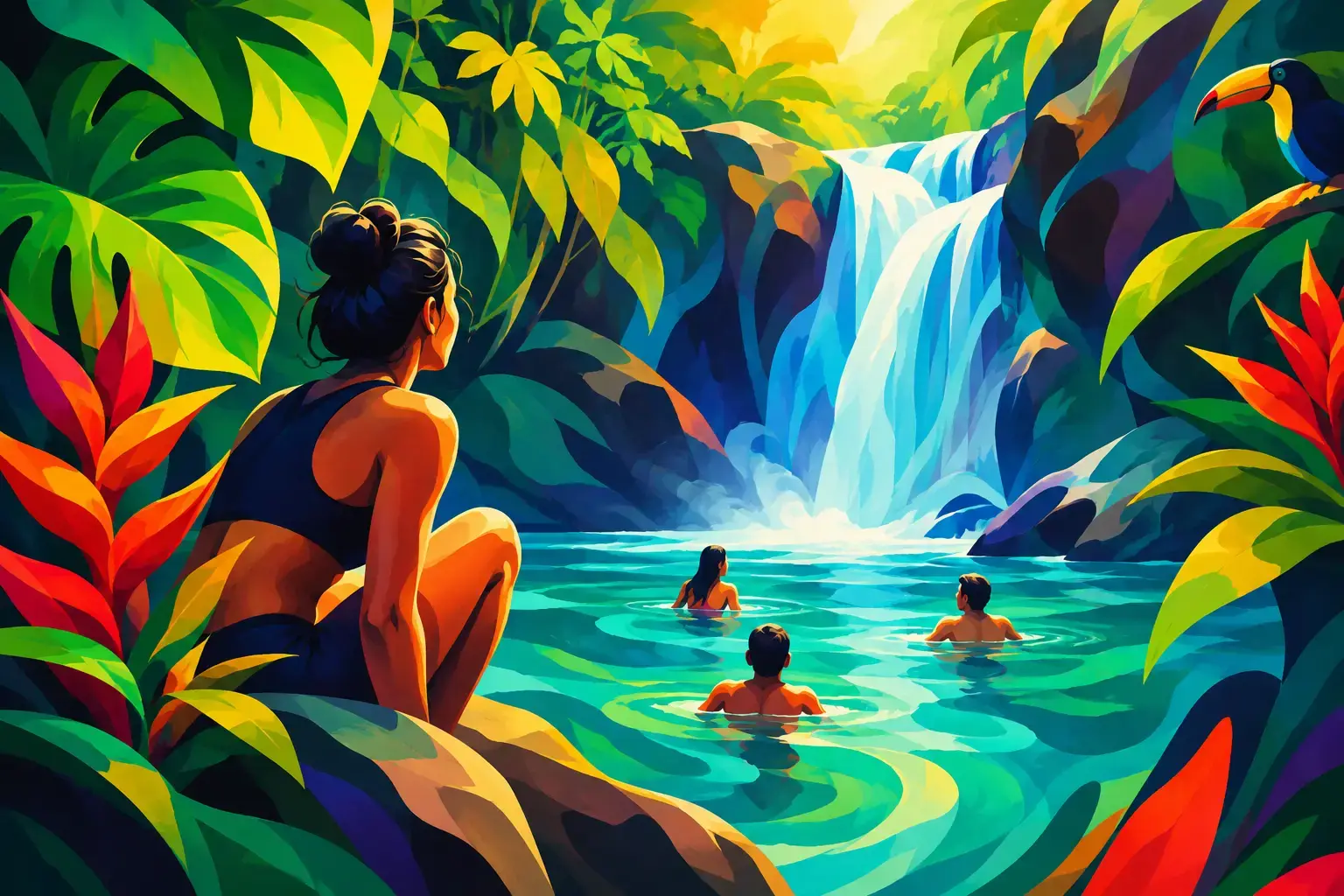
A waterfall pool in Puerto Rico can look like a private invitation: cool water, smooth rock, bright green canopy, and that perfect photo waiting at the edge. But rainforest swimming etiquette starts before you step in. These pools are living places shaped by fast-changing weather, local communities, wildlife, and the people sharing the trail with you.
When you swim with respect, the reward is bigger than a quick dip. You get to experience El Yunque and Puerto Rico’s wild corners the way they deserve to be experienced: safely, thoughtfully, and with room for everyone to make a real memory.
Rainforest Swimming Etiquette Starts on the Trail
The swim begins long before the water. Stay on established paths, even when a muddy shortcut seems harmless. In tropical forests, one group stepping off trail can widen erosion, damage roots, and create a slick route that the next visitors will follow.
Keep your volume low as you approach a pool. A little excitement is part of the adventure, especially when you hear a waterfall before you see it, but the rainforest is not a private resort. Other travelers may be taking in the quiet, and birds and small animals do not need a speaker soundtrack added to their home.
Bring only what you can carry back out. That includes bottle caps, snack wrappers, hair ties, and the tiny pieces of tape sometimes left behind by waterproof phone pouches. If you see a small piece of trash and can safely pick it up, that is a good neighbor move. Puerto Rico is our home, and every waterfall stays beautiful through the everyday choices visitors and locals make.
Read the Water Before You Enter
Rainforest water is not the same as a calm hotel pool. Rocks can be covered in algae, depth can change after heavy rain, and a peaceful-looking current may be stronger than it appears. Take a minute to watch the pool before jumping in. Notice where the water enters and exits, where others are standing, and whether the surface is carrying leaves or moving quickly.
Never assume a spot is safe for diving just because someone posted a video there. Hidden rocks, submerged branches, and changing water levels can turn a dramatic jump into a serious injury. Enter feet first unless a knowledgeable local guide has clearly told you the depth and conditions are appropriate.
If the water looks muddy, rises quickly, or the rain becomes heavy, get out and move away from the streambed. Puerto Rico’s tropical downpours can change conditions upstream even when the sky above your exact swimming hole still looks manageable. Flash flooding is not a problem to debate with your group. It is a reason to leave early and let the water settle.
Let the Slowest Person Set the Pace
Traveling with friends does not mean everyone has the same comfort level in natural water. Some people are confident swimmers. Others want to sit at the edge, cool their feet, and enjoy the view. Both belong.
Do not pressure someone to jump, slide, or swim farther than they want to go. The best adventure groups look out for one another, especially when rocks are slippery and cell service may be limited. If someone is hesitant, offer a hand, point out the safest entry, or simply give them space to enjoy the moment their own way.
Share the Pool, Not Just the Photo
A beautiful waterfall can draw several groups at once, particularly at popular access points. Give people room to enter and exit the water, and do not claim the only easy ledge as your group’s photo set. Take your shots, cheer each other on, then make space for the next travelers.
Be mindful of where you stand. Blocking a narrow rock passage or sitting directly beneath a small waterfall can make it harder for others to move safely. This matters even more at natural waterslides, where the launch and landing areas need to stay clear. Wait until the person ahead is fully out of the way before taking your turn.
Photos are part of the experience, and Puerto Rico delivers some unforgettable ones. Still, a phone should never be worth a risky climb, a damaged plant, or a stranger’s privacy. Avoid scrambling onto fragile banks for a better angle. If other visitors are clearly in your frame, give them a moment to move or choose another shot. The most shareable travel content is even better when it comes with good manners behind it.
Keep Music Personal
If you bring music, use headphones or keep it off. The sound of water moving through the forest is part of why people come here. Loud speakers can carry much farther than you think under a canopy, changing the experience for everyone nearby.
This is not about making the rainforest silent. Friends will laugh, guides will share stories, and someone will absolutely react when the water turns out to be colder than expected. It is about letting the place lead instead of bringing the party everywhere you go. Save the big playlist for the ride back toward San Juan.
Protect the Water That Welcomes You
Natural pools are connected to larger streams, habitats, and communities. Do not use soap, shampoo, body wash, or bug spray in the water, even products labeled biodegradable. “Biodegradable” does not mean harmless in a small freshwater pool, and these products can affect water quality and wildlife.
The same goes for food and drinks. Enjoy a snack away from the water, then pack out every trace. Tossing fruit peels into the forest may feel natural, but it can attract animals to busy areas and does not belong at a swimming spot. Keep glass out of the rainforest entirely. A broken bottle on wet rocks creates a danger that can stay hidden long after your group leaves.
Sunscreen deserves some thought, too. Apply it well before swimming when possible, and use only what you need. In many rainforest settings, shade from the canopy means you may not need the same heavy reapplication you would use at the beach. A hat and lightweight cover-up protect you without washing extra product into freshwater.
Respect Local Access and Local Knowledge
Not every waterfall, river crossing, or hidden pool is open to the public. Some routes cross private land. Others may close because of storms, trail damage, nesting wildlife, or safety concerns. A gate, sign, or local request is not an invitation to find a way around it.
This is where going with a trusted local guide can change the whole day. A good guide does more than point toward the water. They read weather patterns, know when a route is not worth the risk, understand which areas need extra care, and help you enjoy the adventure without accidentally disrespecting the people who live nearby.
At Share Puerto Rico, our family guides believe the best memories come from seeing our island with respect for the land and the communities that make these experiences possible. Small groups make that easier. There is more room for questions, more awareness on the trail, and less pressure to rush through a place just to check it off a list.
Know When Not to Swim
Sometimes the most experienced choice is to admire the waterfall from shore. Skip the swim if you are dealing with an open cut, feeling unwell, have been drinking alcohol, or are unsure of your swimming ability. Rainforest terrain is not the place to test a brand-new pair of sandals, either. Closed-toe water shoes with grip are usually a much smarter choice than flip-flops.
Pay attention to your guide and to posted conditions, even if you traveled far to get there. Weather can cancel the exact plan you had in mind, but Puerto Rico always has another way to surprise you: a roadside fruit stand, a mountain view through the mist, a local lunch, or a beach stop after the clouds clear.
A rainforest swim should leave you refreshed, not reckless. Move carefully, listen closely, make room for others, and carry out what you carry in. Then, when you step back onto the trail with wet hair and a huge smile, you will have done more than visit a beautiful place. You will have helped keep it beautiful for the next group lucky enough to find it.