A waterfall jump can make your camera roll. A plate of hot alcapurrias after the hike can make you remember the whole day. That is the difference local food stops on tours make in Puerto Rico: they turn a beautiful outing into a real connection with the island, its people, and the flavors we grew up sharing with family.
Puerto Rico is not a place to experience through bus windows and chain-restaurant menus. The best days here move from mountain roads to local counters, from saltwater swims to a table where someone knows exactly how the pork was seasoned and which sauce belongs on the side. Food is not an add-on to the adventure. It is part of the adventure.
Local Food Stops on Tours Tell the Island’s Story
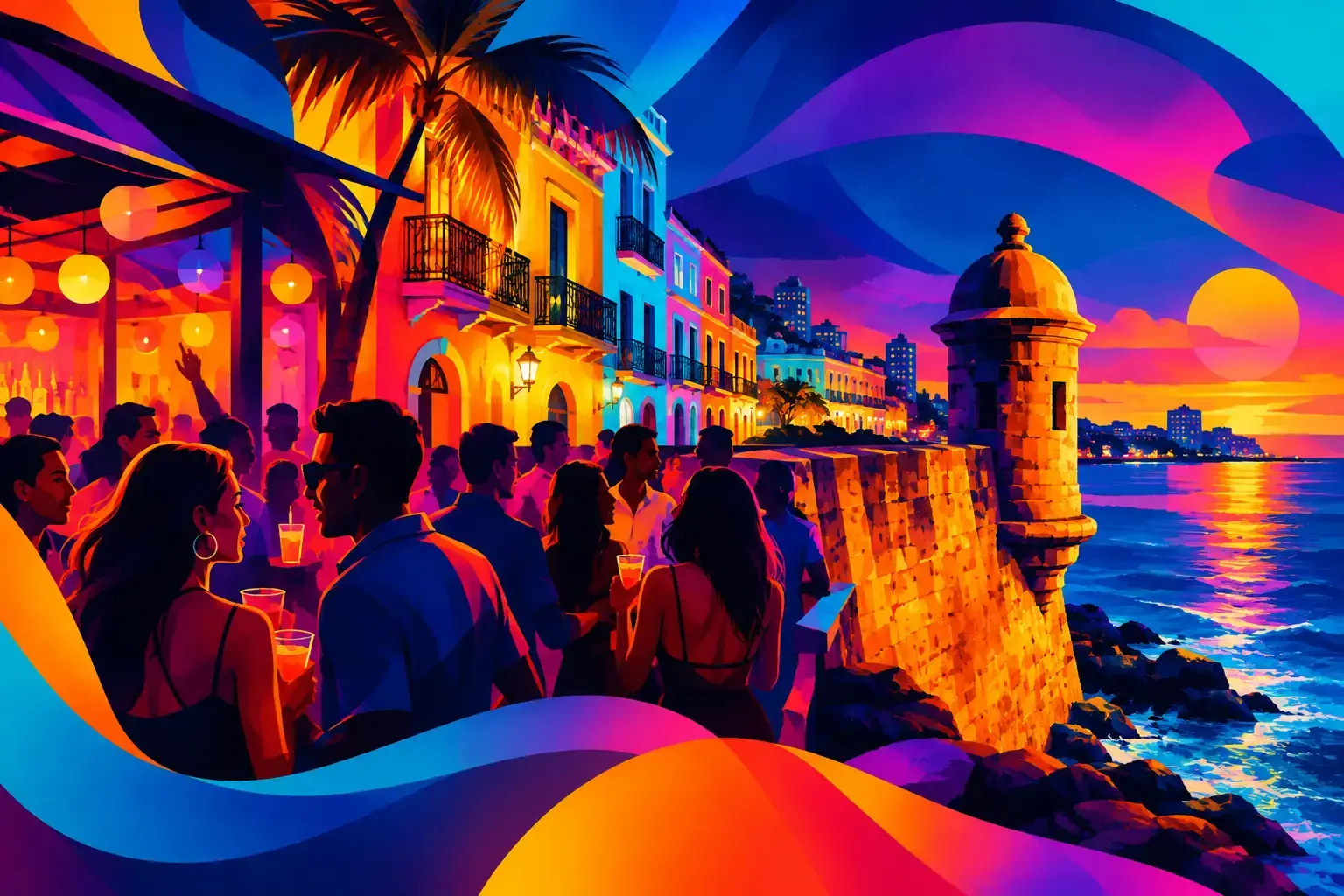
Every region of Puerto Rico has its own rhythm, ingredients, and neighborhood favorites. A stop near El Yunque may mean something warm and filling after a morning of waterfalls. Along the coast, the craving might be fresh seafood, tostones, and an ice-cold drink after a beach swim. In San Juan, a late-night bite can be the perfect reset between music, murals, and the energy of La Placita.
These moments reveal more than a menu. They show how Puerto Ricans gather. You may see families sharing large plates, workers stopping in for lunch, friends catching up at an outdoor table, or a cook who has been serving the same recipe for years. That everyday life is the Puerto Rico many visitors miss when their itinerary is built only around famous landmarks.
A local food stop also gives the day room to breathe. Adventure tours can be active, especially when they include hiking, swimming, climbing, or exploring caves. Sitting down for a meal or grabbing a snack creates a natural pause to swap stories, look through photos, and ask your guide what you are eating and where it comes from.
What Authentic Puerto Rican Food Feels Like
Authentic does not always mean fancy. Some of the most memorable meals are served from a humble roadside counter, a family-run spot with plastic chairs, or a small kitchen where the smell hits you before you see the sign.
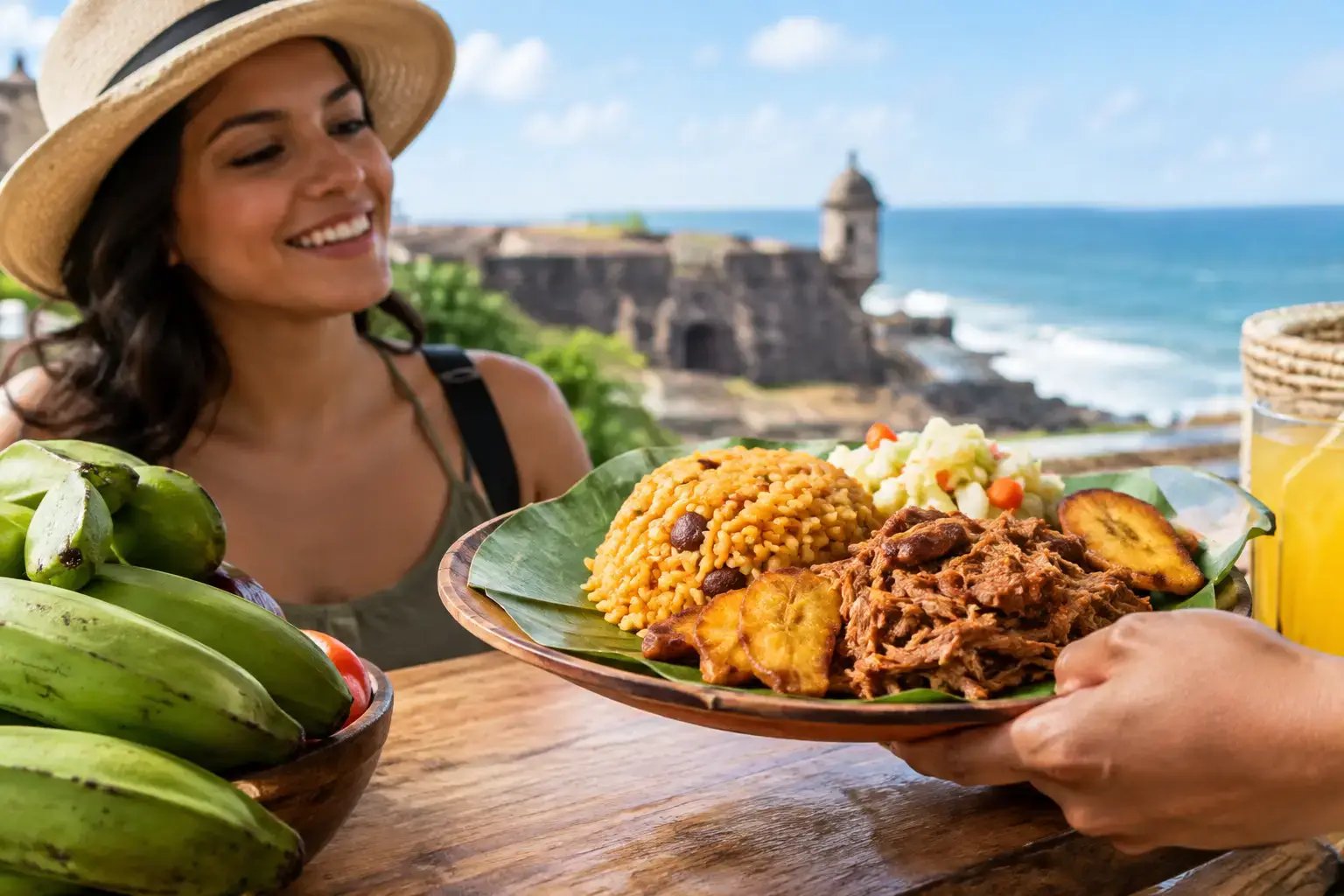
You might find mofongo, the beloved mashed plantain dish often served with chicken, shrimp, or pork. You may try pinchos, grilled skewers that are simple, smoky, and perfect after a day outside. There are frituras such as bacalaítos, crispy cod fritters, and alcapurrias, made with a savory filling tucked inside a fried plantain or yautía dough.
Then there is the joy of ordering what locals actually order. Maybe that is arroz con gandules beside roasted pork, a passion fruit juice, or a coconut-based dessert when the afternoon heat calls for something sweet. Your guide can help you recognize the dishes that are worth trying, explain unfamiliar ingredients, and point you toward a choice that fits your appetite.
That guidance matters, especially for travelers who want to be adventurous without guessing. You do not need to know Spanish food vocabulary or spend an hour reading reviews. You can arrive hungry, curious, and ready to taste the island with confidence.
The best stop depends on the day
Not every tour should force the same food experience. A high-energy rainforest day may call for a casual lunch that gets you refueled without slowing the group down. A nightlife experience may be better with shareable bites or a local stop before the music starts. A full-day trip across caves, mountains, and beaches may need more time for a satisfying meal.
Weather, traffic, opening hours, and the pace of the group can shape the plan, too. That is why a locally led experience is so valuable. The best decision is often made in the moment by someone who knows the roads, the neighborhood, and which kitchen is having a great day.
Why Small Groups Make Food Stops Better
Food stops are much harder to enjoy when 40 people descend on a restaurant at once. The group waits, the staff gets overwhelmed, and the meal becomes another logistical checkpoint.
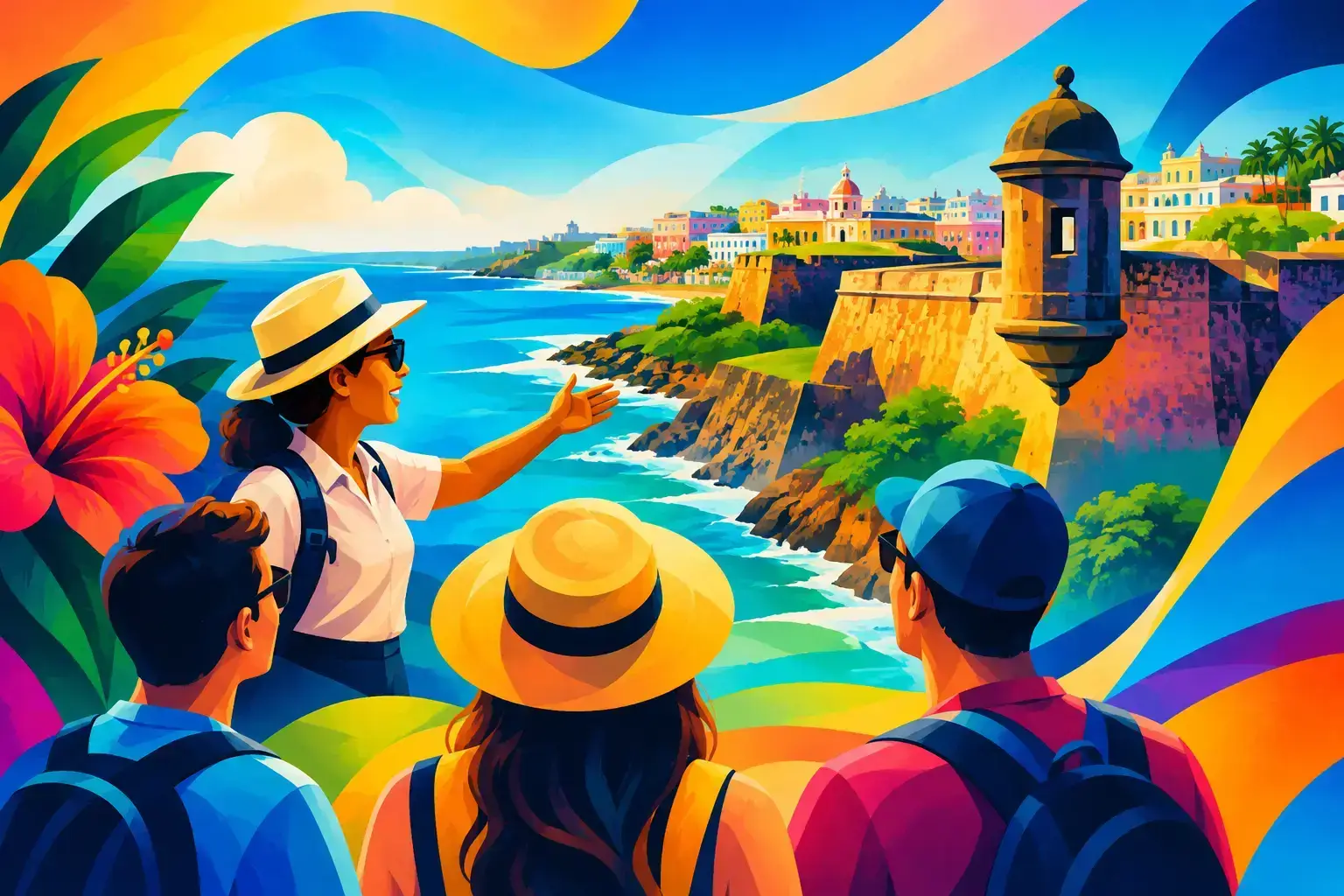
With a smaller group, there is more flexibility. Your guide can recommend a spot that fits the day rather than one built for tour-bus volume. You have a better chance to ask questions, order at a comfortable pace, and actually notice what is on your plate. It feels less like being processed through an itinerary and more like being brought along by a local friend.
Small groups also create better conversations. Someone may order a dish you have never seen and offer you a taste. A couple celebrating an anniversary may discover their new favorite cocktail. Solo travelers can sit with the group instead of eating alone. Those easy, unplanned moments are often the ones people talk about long after the vacation ends.
At Share Puerto Rico, that local perspective is part of how we share our home. We believe the road to a hidden waterfall, a cave, or a beach is even better when it includes the places our neighbors love to eat.
How to Make the Most of Food on Your Puerto Rico Tour
Come with curiosity, but do not arrive starving if your tour starts early. Adventure days run better when you have water, a light breakfast, and room to enjoy a local meal when the timing is right. If you have dietary restrictions, tell your guide before the day begins. Puerto Rican food is generous and varied, but ingredients such as pork, seafood, dairy, and fried foods can appear in unexpected places.
It also helps to think beyond the one dish you already know. If you love plantains, ask whether a dish uses sweet maduros, savory tostones, or mashed green plantains. If you like spice, ask for pique, the island’s hot sauce, but start small. Recipes and heat levels vary from one kitchen to another.
Most importantly, respect the stop for what it is. A family-owned restaurant is not a staged attraction. Be patient during a busy lunch rush, enjoy the slower pace when it happens, and let the people serving you set the tone. A kind greeting, a thank-you, and a willingness to try something new go a long way.
Food Is the Memory You Can Taste Again
Years after a trip, you may forget the exact route to a waterfall. But you will remember biting into something crisp after swimming all morning, the sound of the kitchen behind you, or the way your group laughed over a table full of dishes. Food holds a place in memory because it carries the full scene with it: the heat, the view, the people, and the feeling of being welcomed.
That is why local food stops on tours are worth making time for. They are not a detour from the real Puerto Rico. They are one of the clearest ways to find it.
When you plan your island adventure, leave a little space in the day for hunger, surprise, and a recommendation you would never find on your own. The best plate may be waiting just around the next curve.